Puig de Missa
Puig de Missa
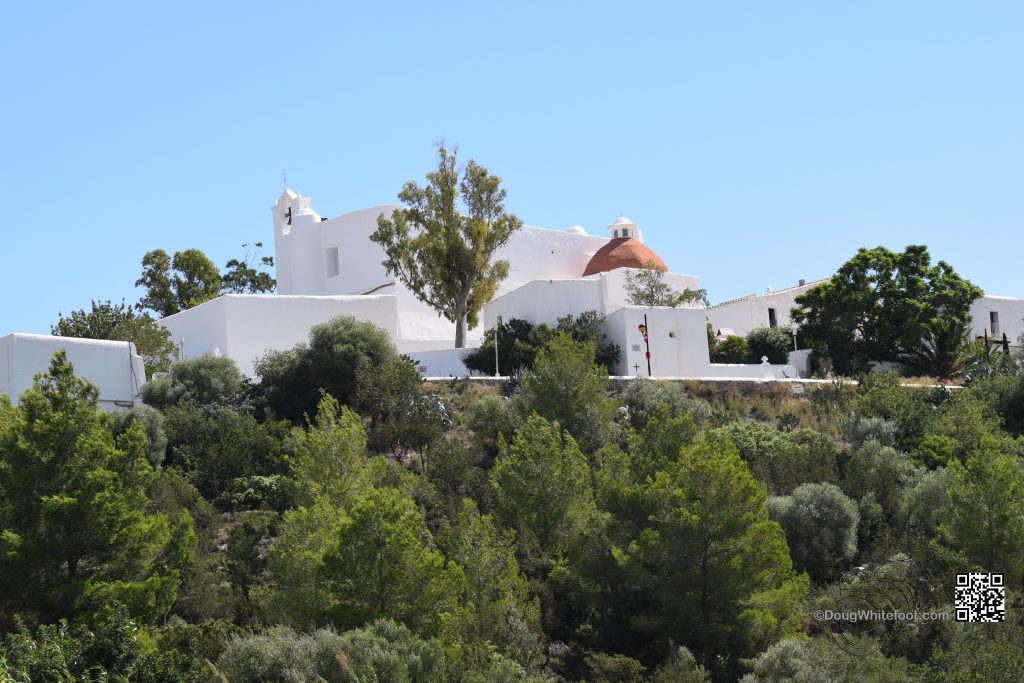
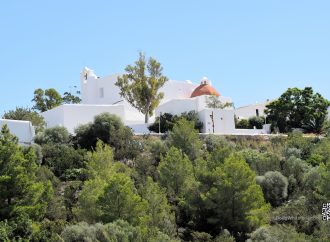
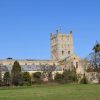
Another place of beauty and serenity to visit in Santa Eulalia is the church on top of the small hill on the way into the town.
Like with anything on top of a hill its a bit of a trek, but for those who just cant manage these sort of thinks, a taxi from the main square is only a couple of euros, and it will be well worth it.
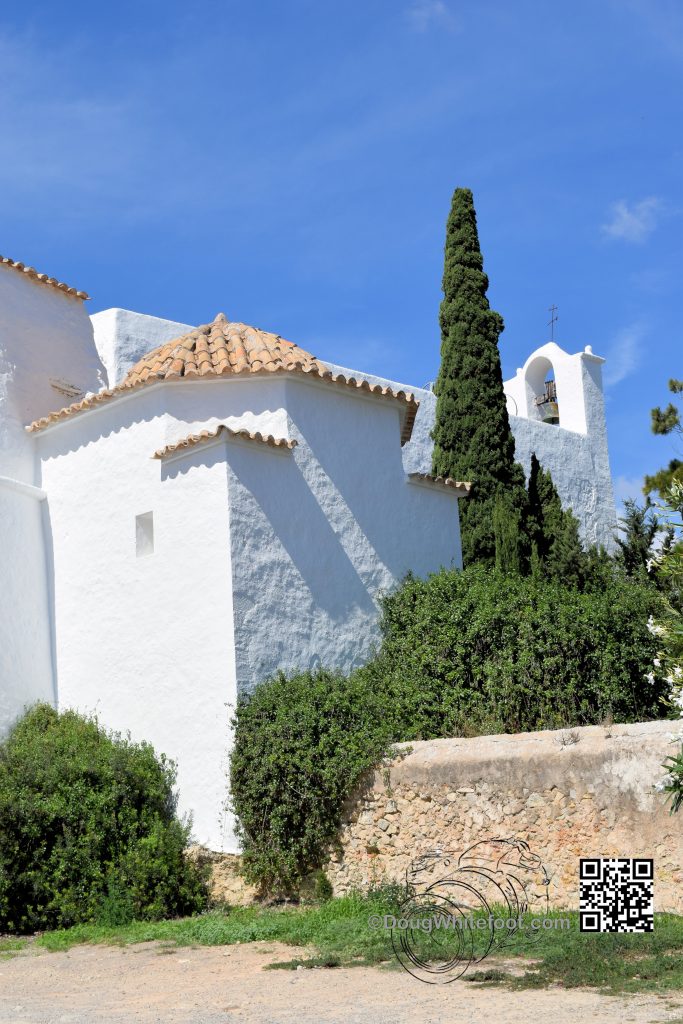
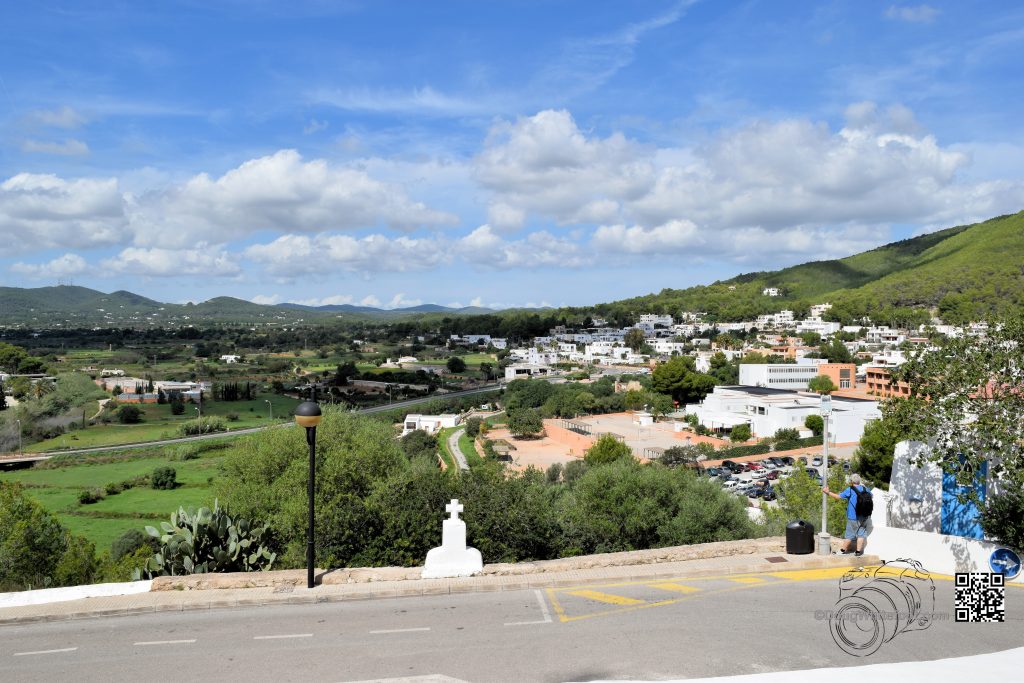
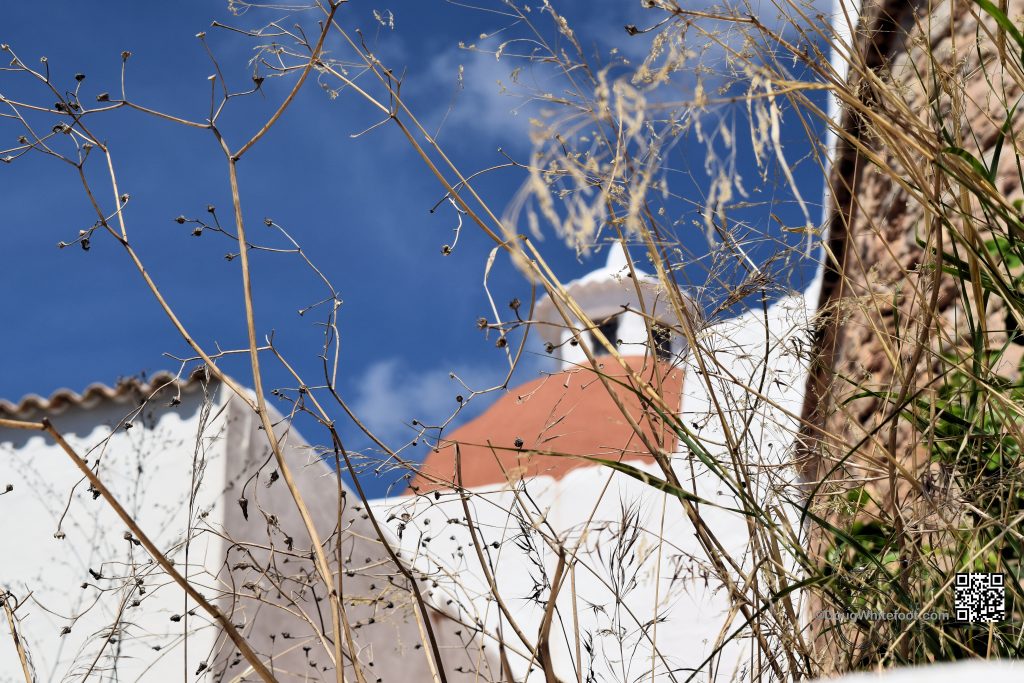
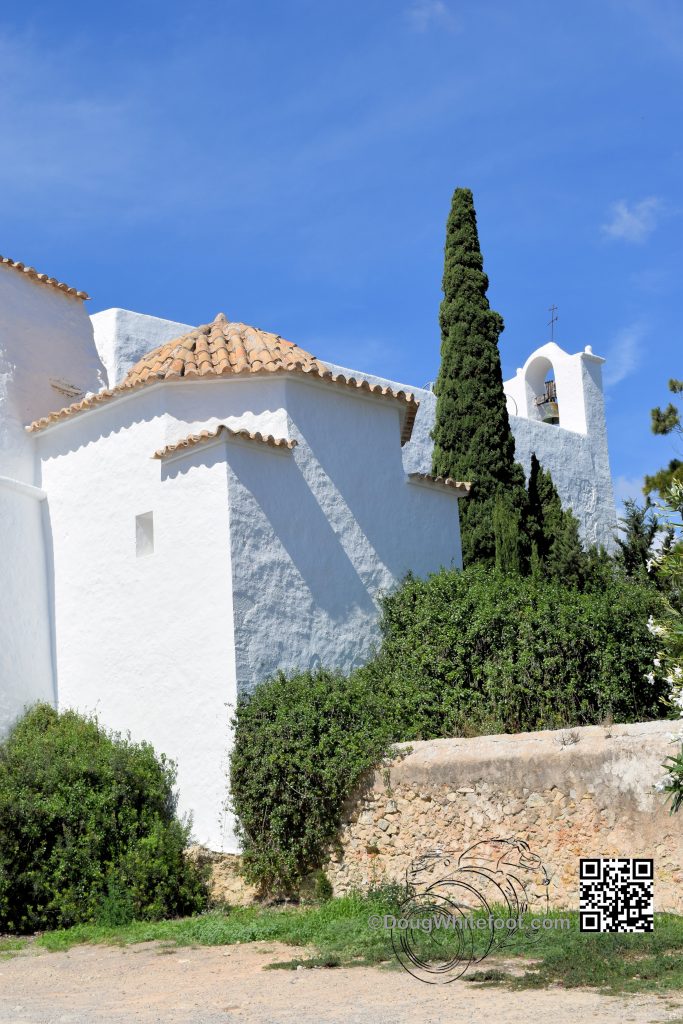
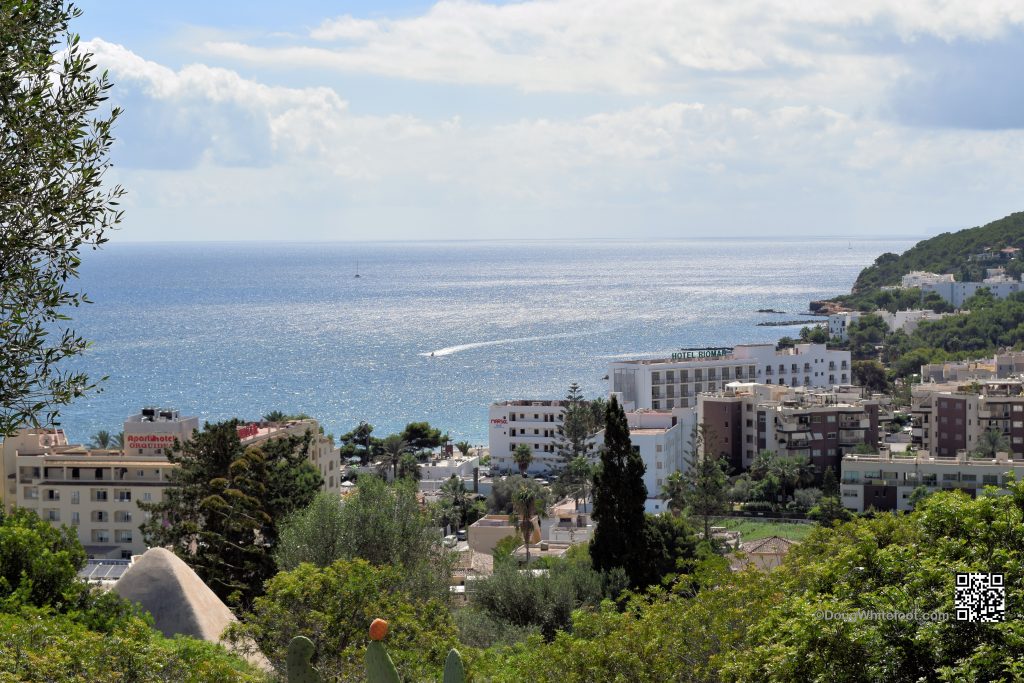
When up there, the crisp white building glistens in the sunlight and the views over the town, sea and farmland are pretty special too.
A brief history
It is a fortified religious buildingfrom the 16th century that was consecrated in 1568, although there are records of a previous temple at the same point. It became a parish in 1785 on the orders of the first bishop of Ibiza.
Like many other examples of religious architecture, its current appearance is the result of different additions and refurbishments.
The nave is believed to be the one from the original building, and other chapels, the ‘porxo’ (or porch) and other structures such as the vicar’s house or ‘cas vicari’, the priest’s house or ‘cas capellà’ and the sacristy) were added in the late 17th century and early 18th century.
The main altarpiece is Baroque (1674-78) by sculptor José Ferreres, and it was brought from San Millán (Segovia) during the 20th century through an initiative of the Marquis of Lozoya, who had a house in the puig.
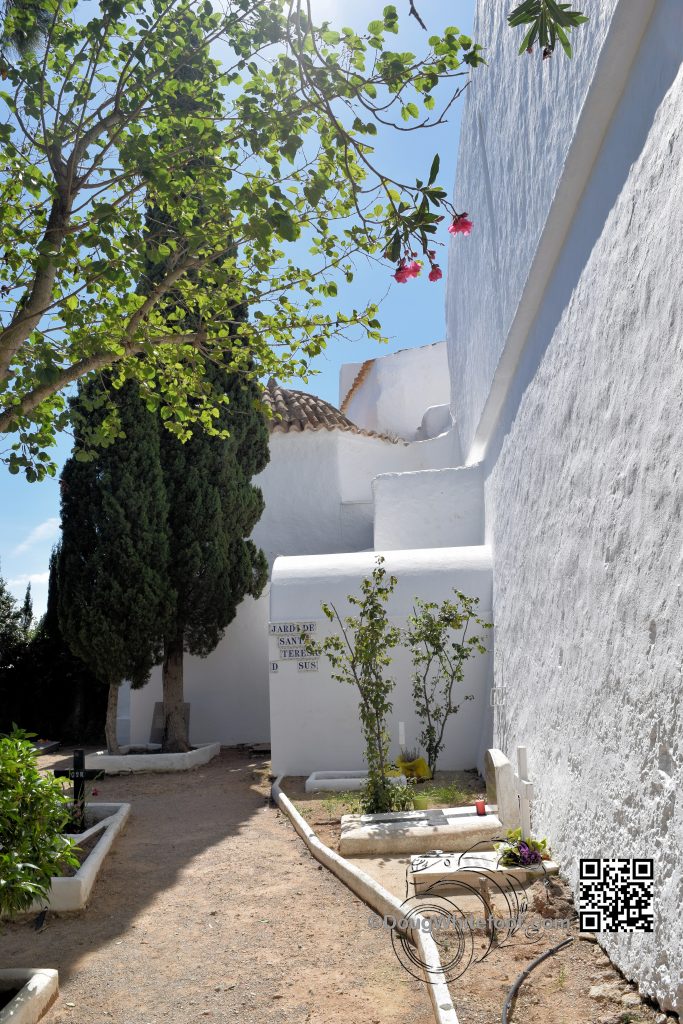
The outside is peculiar: it is white and undecorated and still looks defensive or fortified. There is also a small garden. The access gate, which is off-centre from the church centreline, is large because it was used as the meeting point for the community that lived scattered in the fields. It has two rows of columns with arches, an access to the cemetery and a simple hollow.