Tewkesbury – ‘Back of Avon’
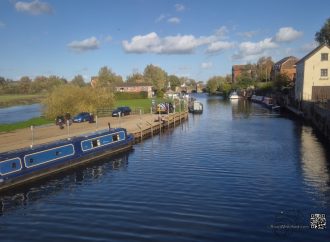
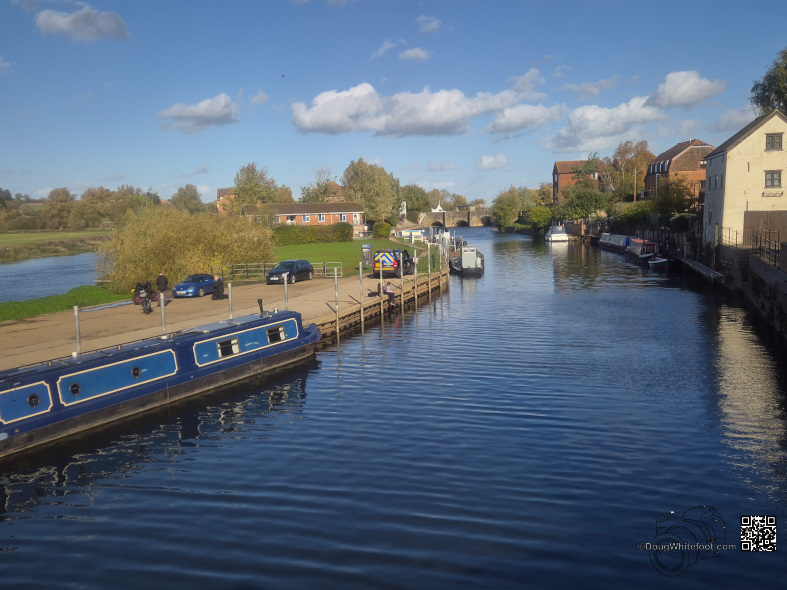
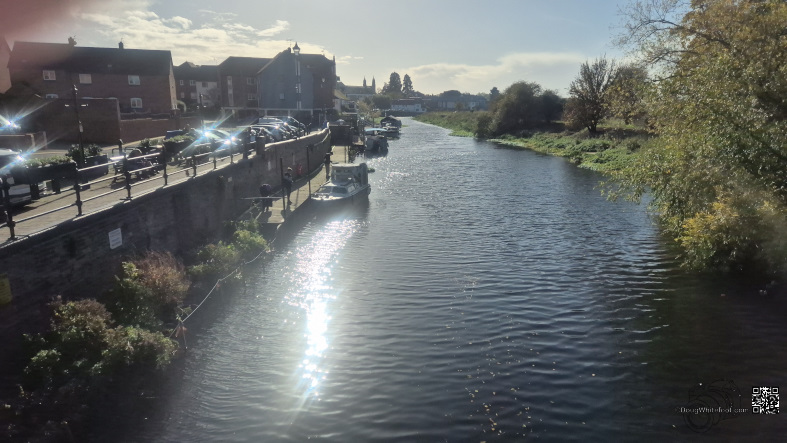
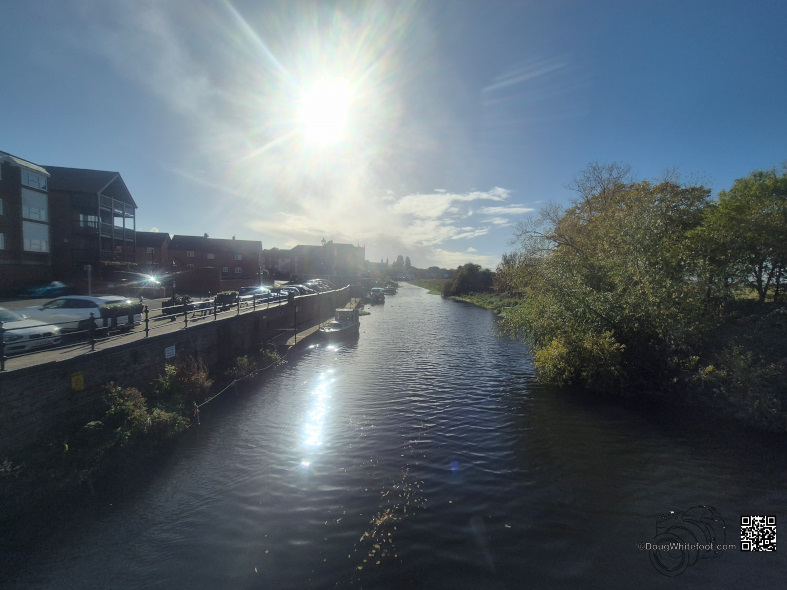
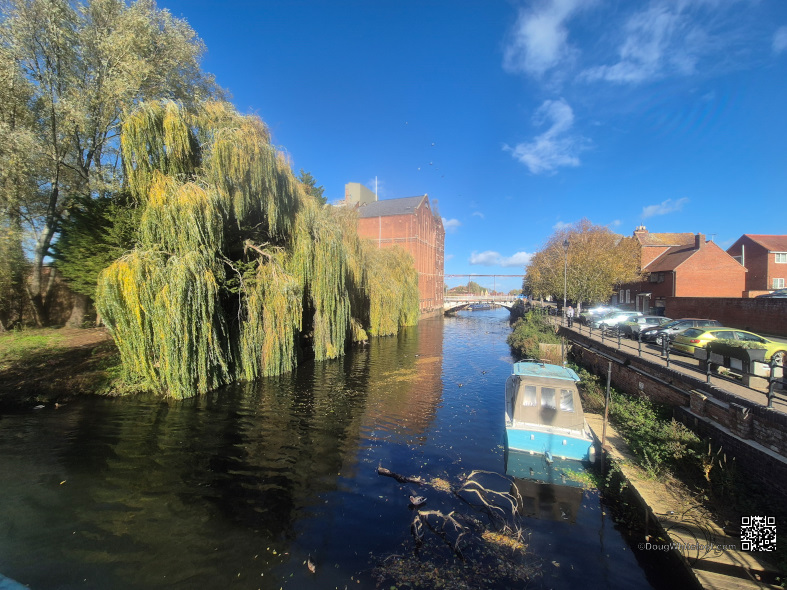
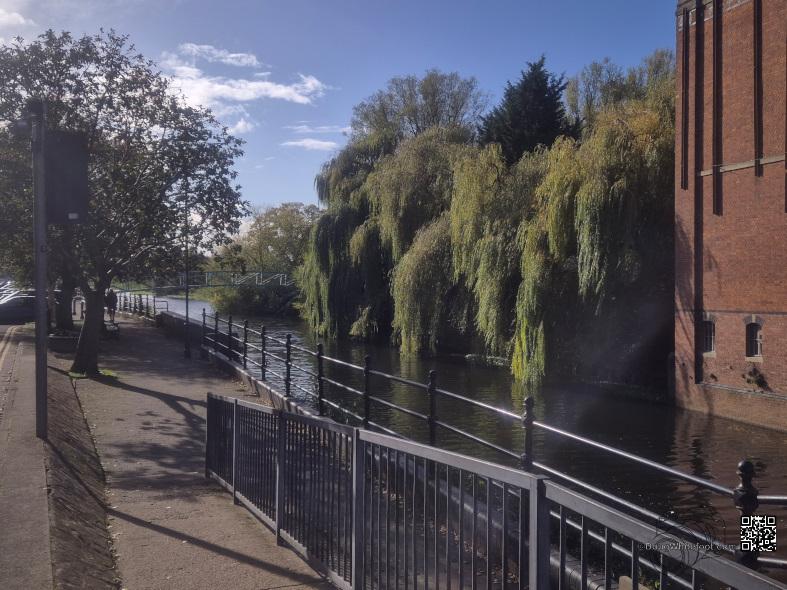
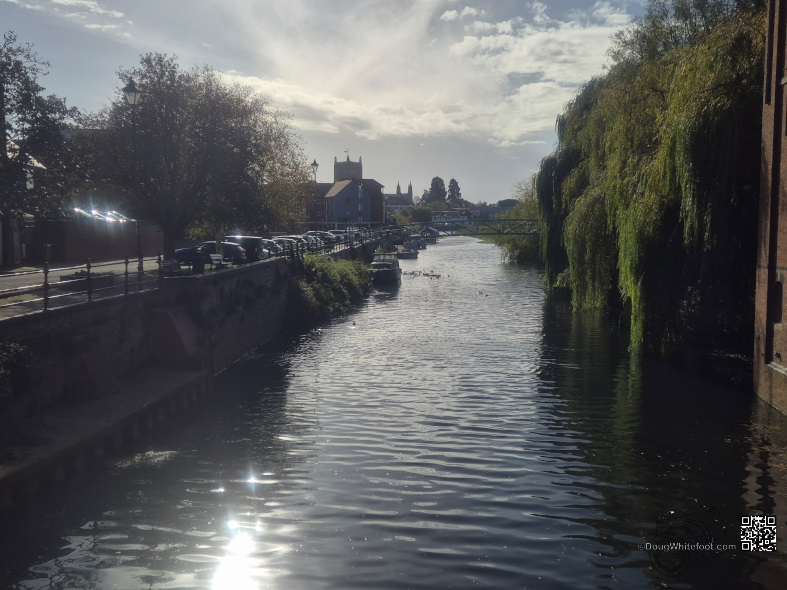
After a few days with stormy weather. today it is nice weather so what better than a casual relaxing walk along the ‘Back of Avon’ in Tewkesbury.
A beautiful place to just let the world go by, or sit with a bag of fish & chips, and reflect on life.
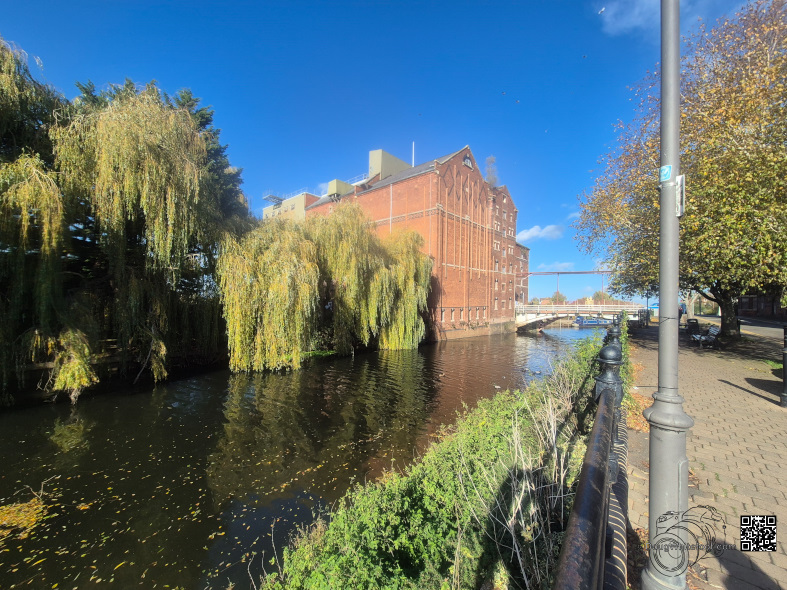
As well as the river you will see the old ‘Healings Mill’.
For those that are interested in the history of this area, read on
Key Historical Aspects
Medieval Town Planning: The dual river- and street-frontage plots along the High Street and the Back of Avon were designed to give property holders direct access to both land routes and the water. The straight cut of the Mill Avon—diverted in the 12th century by Benedictine monks from Tewkesbury Abbey to power local mills—ran parallel to the High Street to boost commerce and grain processing.
Commercial and Port Heritage: Positioned near the confluence of the River Severn and the River Avon, Tewkesbury operated as an inland river port. The Back of Avon served as a service lane and wharfing area for handling goods transported by river trows and boats.
Historic Architecture: The area features surviving early-modern and industrial heritage structures. For example, No. 2 Back of Avon is a Grade II listed house dating to the early 18th century (reputed build year 1712) constructed in Flemish bond brick.
Industrial Landmarks: The northern end of the Back of Avon is anchored by the historic Healings Flour Mill and Warehouses, an 1865 steam-powered roller flour mill built by W. H. James for Samuel Healing and Son, representing Tewkesbury’s 19th-century agricultural and milling past.
Transport and Crossings:The area connects closely with Tewkesbury’s historic river crossings, including the ancient King John’s Bridge (dating back to the late 12th/early 13th century) and the later 1826 cast-iron Mythe Bridge designed by Thomas Telford.
Latest Travel
-

Tewkesbury - Back of Avon
- NATURE, Tewkesbury, Travel
- 27/10/2026
-

Popular Posts
-

Tewkesbury - Mop Fair
- Tewkesbury, Travel, UK
- 11/10/2026
-

Car Servicing
- Motoring
- 17/09/2026